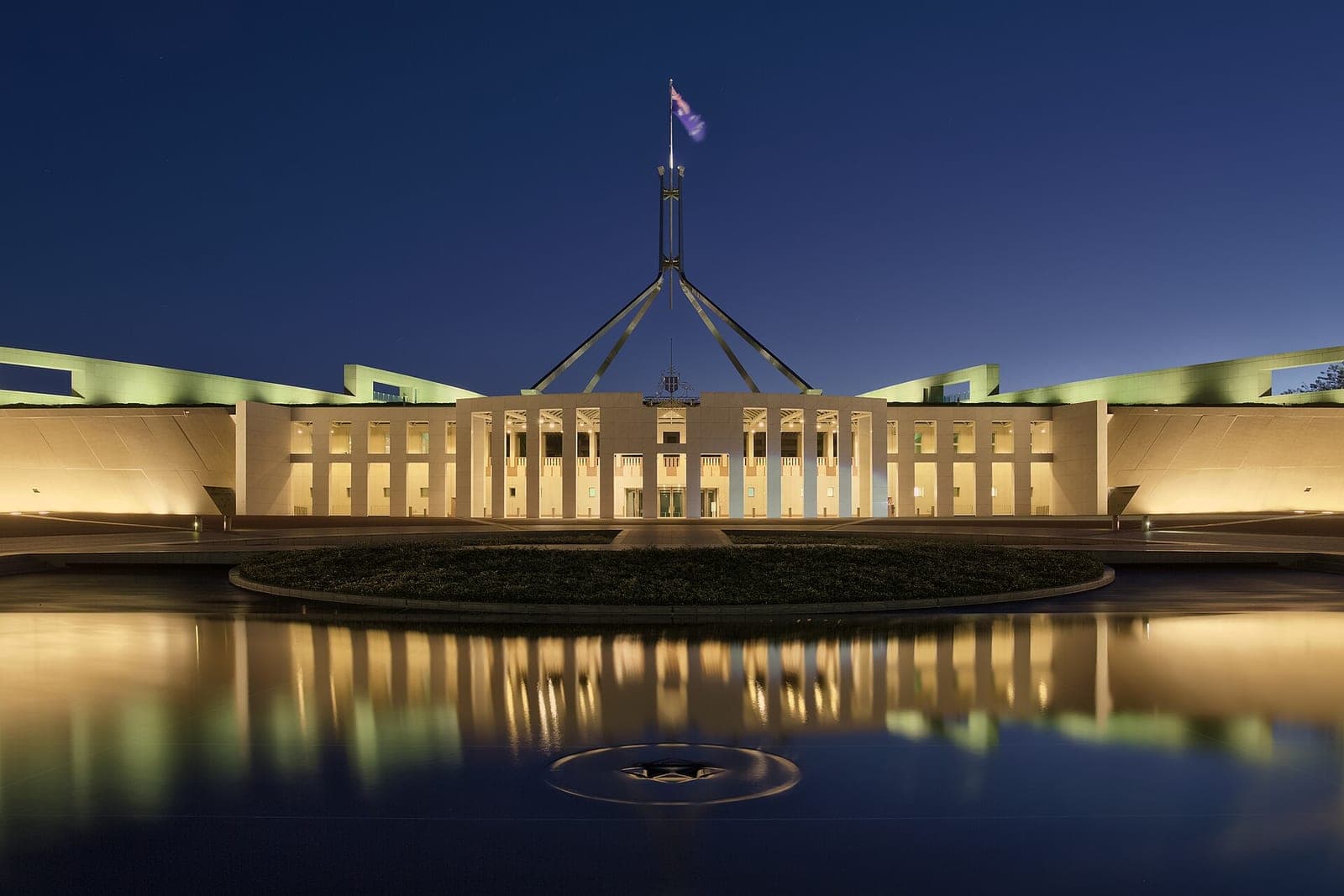
When Treasurer Jim Chalmers handed down the 2026-27 federal budget on 12 May, the headline was a $31.5 billion deficit and a slow walk back toward balance. The number quietly holding that story together sits in the disability portfolio: $37.8 billion in NDIS "savings" over four years — the budget's single largest savings measure — extracted by removing roughly 160,000 people from the scheme by 2030. Take that one line out and Labor's budget-repair narrative loses its spine. Building a fiscal recovery on the support payments of disabled Australians deserves far more scrutiny than it has had.
What is Labor actually cutting?
The vehicle is the National Disability Insurance Scheme Amendment (Securing the NDIS for Future Generations) Bill 2026, which tightens eligibility, rewrites how plans are funded, and narrows review rights. Health and NDIS Minister Mark Butler has said annual scheme growth will be "capped at 2 per cent, below the current inflation rate" — and the budget papers pencil in long-term growth of just 5-6 per cent, a hard squeeze on a scheme that was growing at double-digit rates. On the government's own figures, participant numbers fall from about 760,000 today to 600,000 by 2030. Advocacy for Inclusion notes the government's modelling implies "hundreds of thousands of people with disability will be removed from or denied scheme access by 2031." However it is framed, the mechanism is identical: fewer disabled people, supported less.
Where do the "savings" really come from?
Not from rooting out waste, but from individual plans. Average plan values are set to fall from about $31,000 to $26,000. From October 2026, funding for social and community participation is cut by 16 per cent, and plan management and support coordination by 30 per cent. The people most exposed are autistic children, those with developmental delay, and people with psychosocial or fluctuating conditions — the cohorts least able to absorb a cut and least likely to have strong informal support to fall back on. Kristin O'Connell of the Antipoverty Centre did not reach for euphemism: the 2026 budget "will be remembered as the cruellest act of the Albanese government and will cause incalculable harm to disabled people, their carers and communities."
The safety net meant to catch people doesn't exist yet
The government's defence is that anyone pushed off the NDIS will be caught by new "foundational supports" and a $2 billion Thriving Kids program. The problem is the order of operations. NDIS plan budgets start shrinking in October 2026. The functional-capacity assessment that will decide who keeps access does not begin until January 2028. And the foundational supports themselves are, in Advocacy for Inclusion's words, "not yet designed, not yet funded in practice, and not yet operational" anywhere in Australia. The cut lands first; the replacement is a promise. That gap — not the headline dollar figure — is the heart of the objection.
| Date | What happens |
|---|---|
| 12 May 2026 | Budget books $37.8bn in NDIS savings over four years |
| Oct 2026 | Plan budgets cut: community participation −16%, support coordination/plan management −30% |
| Jan 2028 | Functional-capacity assessment (decides eligibility) begins |
| By 2030 | ~160,000 participants off the scheme (760,000 → 600,000) |
| Not set | "Foundational supports" — not yet designed, funded or operational |
Does the budget even add up without it?
Even if every dollar of savings materialises, the fiscal case is thin. Grant Thornton notes the deficit is forecast to widen from $31.5 billion to $34.4 billion before easing to $25.3 billion by 2029-30 — no triumphant return to surplus — while "defence, the NDIS, aged care, health — and public debt and interest costs ... soon to surpass $1 trillion" keep outpacing revenue. Worse, the NDIS cut may simply move the cost rather than remove it: the same analysis warns that reducing NDIS support "would result in putting more pressure on aged care providers as individuals will need more support." Greens disability spokesperson Jordon Steele-John was blunter still: "I do not know how members of the government got to sleep last night knowing what they've done."
Isn't this just making the NDIS sustainable?
The honest counter-argument is real, and worth stating at its strongest. NDIS growth running at more than 20 per cent a year was never going to hold, and an uncapped scheme helps no one if it eventually buckles. Cost discipline is legitimate, even necessary. But sustainability is a question of how you slow growth — not whether you take a knife to existing plans before any alternative is built. A government serious about a durable scheme would stand up the foundational supports first, then taper — not book $37.8 billion in savings, cut plans from October, and design the replacement afterwards. The Australian Council of Social Service's Cassandra Goldie put the residual worry plainly: "We are deeply concerned about the effect of these cuts on people with a disability." Everyone shares the goal of a lasting NDIS. This is simply the most punishing route to it — and the one that asks the most of the people with the least.