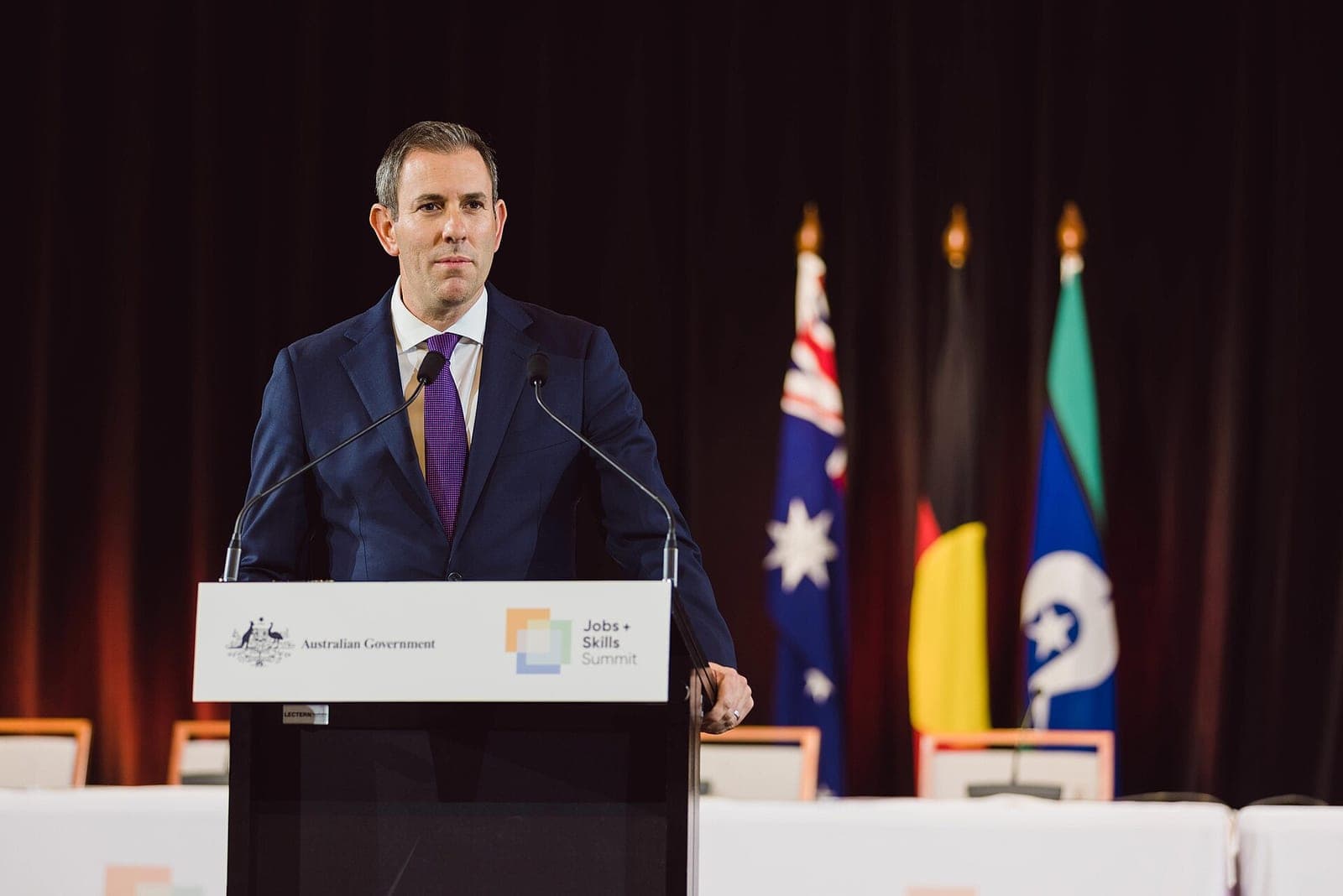
On 12 May, Treasurer Jim Chalmers handed down a budget that leans on one unproven promise to make its numbers work: that the National Disability Insurance Scheme can be slowed enough to save $37.8 billion over four years. It is a large number booked against a target the government concedes it has not costed — and a tougher target it cannot yet explain how to reach.
How much has the government promised to save?
The 2026-27 budget states that the government's NDIS reforms "are expected to save a total of $37.8 billion over the next four years," anchored by the "Securing the NDIS for Future Generations" package. Beside it sits "$2 billion to establish the Thriving Kids program as part of the $5 billion Foundational Supports commitment to be matched by the states." Crucially, the budget concedes the scheme "will continue to grow each year and remain Australia's largest social program outside of the Age Pension." So the $37.8 billion is not a cut to the NDIS bill; it is a slowing of how fast that bill rises. That makes the assumed growth rate the single load-bearing number in the whole exercise — and the one the government is least able to stand up.
Where is the plan to deliver it?
The savings assume annual cost growth keeps falling toward a new target of "5 to 6 per cent, or lower," a figure set out in the government's own regulatory impact analysis. Yet at Senate Estimates in February, the case fell apart under questioning. By the Coalition's account of the exchange, officials conceded that while the government had announced the goal of reducing NDIS growth to 5–6 per cent, they had "done zero work to cost this or identify how it will be achieved" — and that "neither the Minister nor her officials could even say how much money the current 8 per cent growth target is supposed to save taxpayers." A government can announce a target whenever it likes. Booking billions against one it admits it has not modelled, and cannot value, is a different proposition entirely.
Is the 8 per cent target even ambitious?
Even the target Labor is on track to hit is, by independent assessment, too soft. The Grattan Institute notes the scheme grew "about 24 per cent per year on average from 2020-2024," reaching $42 billion in 2023-24 and projected to exceed $58 billion by 2028. Holding growth to 8 per cent, it warns, "will not be enough to make the scheme sustainable," and still "greatly outstrips" comparable spending — aged care grows about 5.2 per cent a year, Medicare about 5.6 per cent. Grattan's caution is pointed: the danger is "hitting the target but missing the point," squeezing the number while leaving participants worse off. The government's response to a target widely judged too soft is a harder one it has not costed. That is not a plan; it is a press release with a deadline — and the 8 per cent target bites from 2026-27, which begins on 1 July, barely three weeks away.
What is the rest of the budget riding on?
The NDIS saving matters so much because little else is holding the budget up. The underlying cash deficit for 2026-27 is $31.5 billion, and on CommBank's reading of the papers the improvement since the mid-year update came from "higher receipts rather than spending cuts" — windfall revenue, not discipline. A return to a balanced budget is "now forecast in 2034-35," close to a decade away. With revenue doing the heavy lifting and surplus a distant prospect, the government's claim to spending restraint rests disproportionately on an NDIS trajectory for which it cannot yet show its working.
| Measure | Figure | Status |
|---|---|---|
| NDIS savings booked (2026-27 budget) | $37.8bn over 4 years | Assumes growth keeps falling |
| Existing growth target | 8% a year, from 2026-27 | On track; "not enough" — Grattan |
| New growth target | 5–6% "or lower" | Conceded uncosted at Estimates |
| 2026-27 underlying cash deficit | $31.5bn | Improved via revenue, not cuts |
| Return to balanced budget | 2034-35 | Roughly a decade away |
| Thriving Kids (Foundational Supports) | $2bn of $5bn | To be matched by the states |
Why it matters
Targets are cheap; delivery is not. By writing a $37.8 billion saving into the forward estimates before doing the work to show how growth is held to 5–6 per cent, the government has exposed both sides of the ledger. If the trajectory slips, the saving evaporates and the deficit deepens. If it is forced through without a credible plan, the people the scheme exists to serve absorb the difference. A target announced is not a target costed — and on the NDIS, the gap between the two is now measured in tens of billions of dollars.